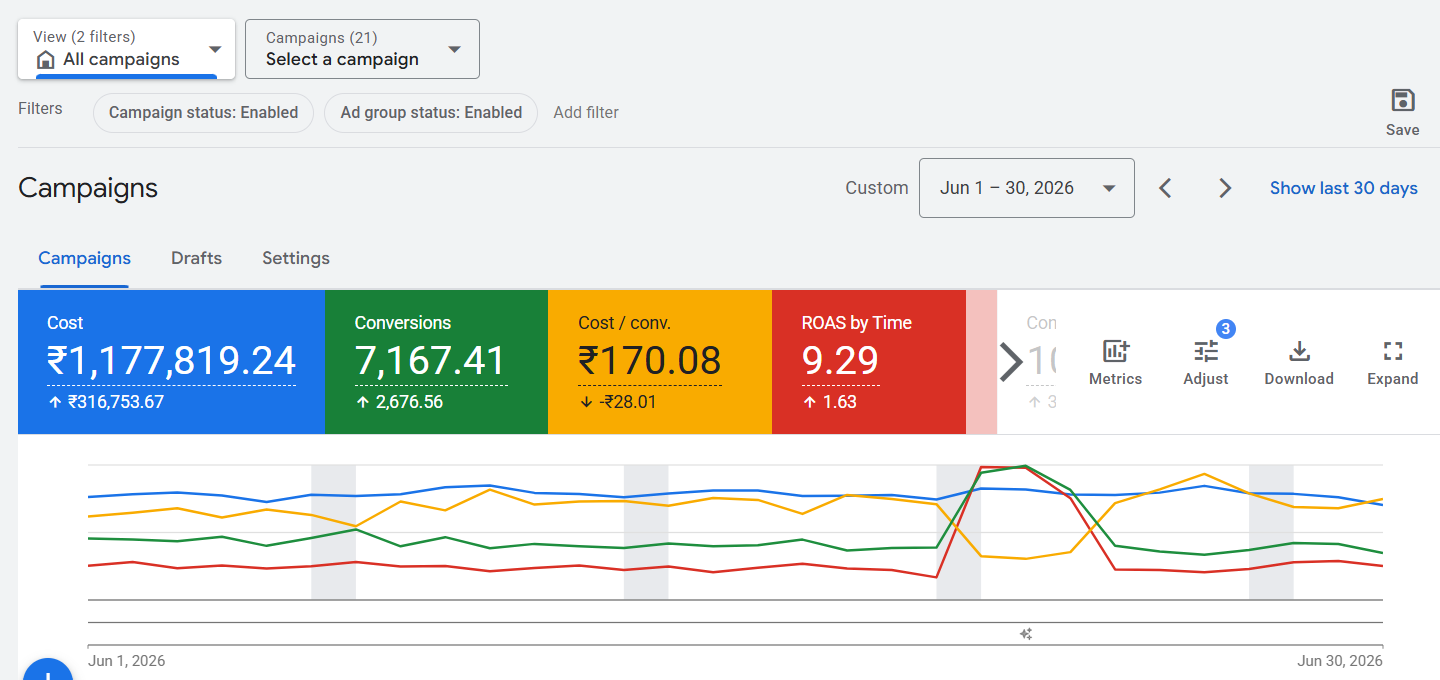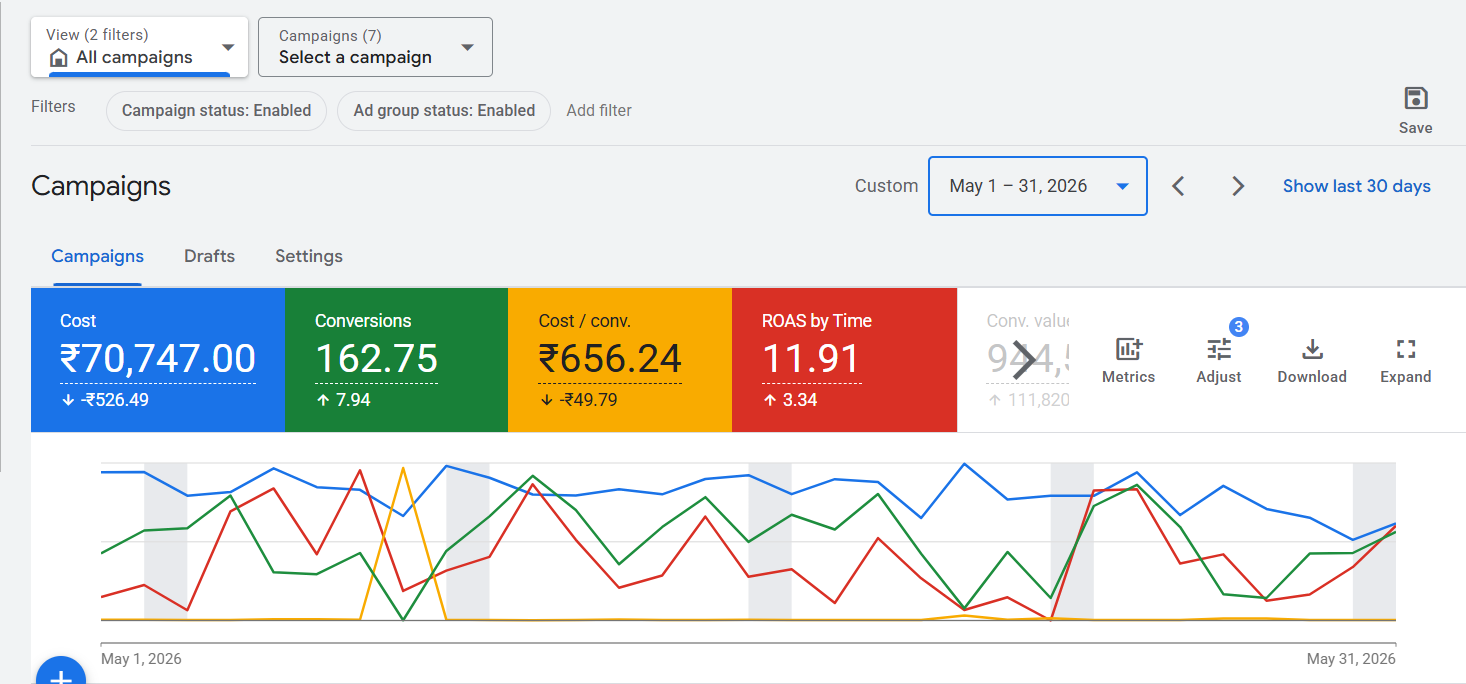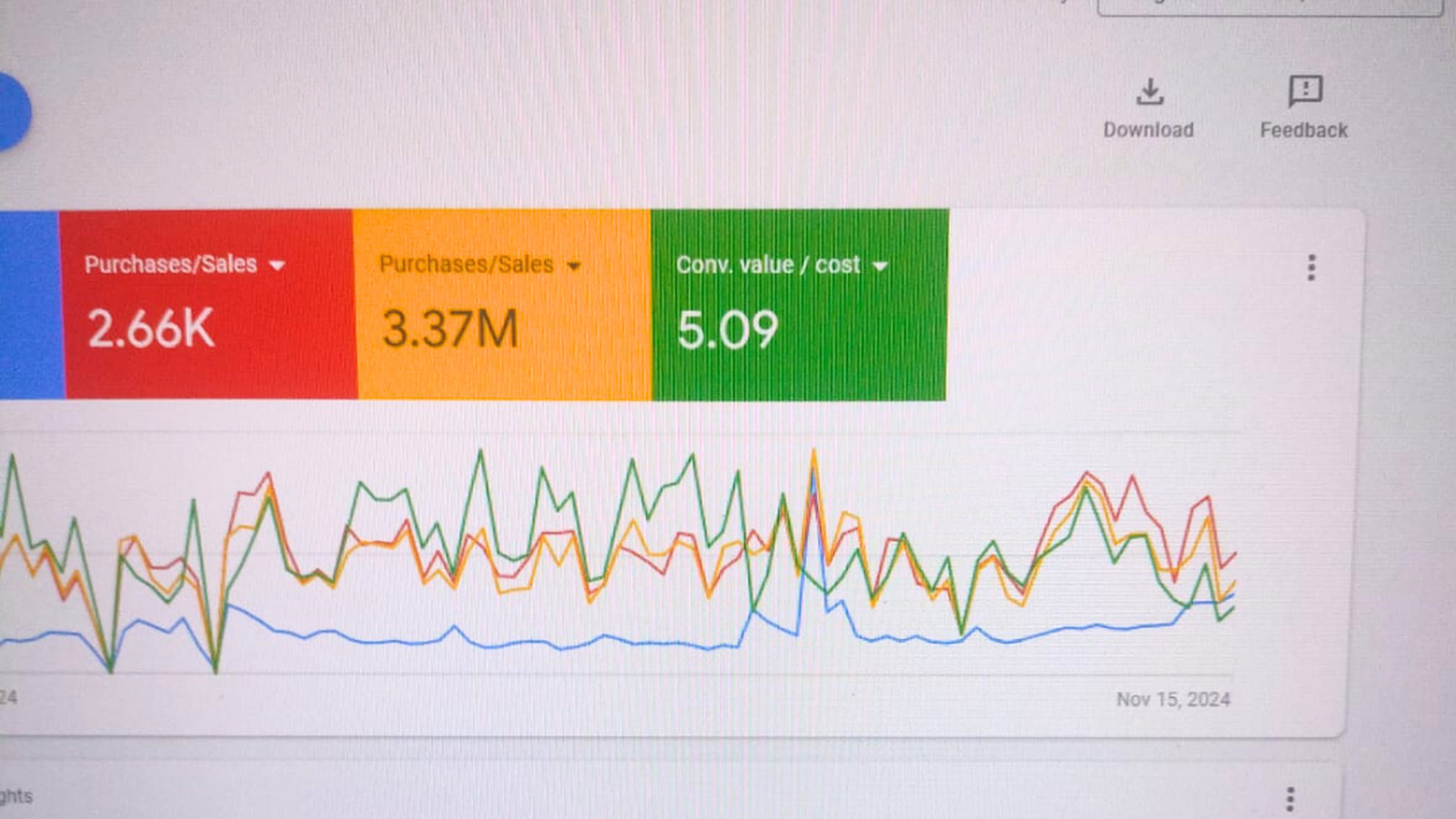
3.37M purchase sales with 5.09x efficiency snapshot
Representative of the kind of account where search intent, structured segmentation and cleaner conversion feedback all compound together.
ProfitPixel is a Google Ads management agency for ecommerce brands and lead generation businesses that need cleaner tracking, sharper Google PPC campaign architecture, stronger landing page conversion, and weekly accountability across Search, Google Shopping, Performance Max, Demand Gen, YouTube Ads and remarketing.
Google will spend budget quickly. Our job is to make sure it compounds into cleaner demand, stronger unit economics and weekly decisions your team can actually trust.
Most Google Ads accounts do not fail because the platform is weak. They fail because the system around the platform is fragmented. Search campaigns chase the wrong queries, Shopping feeds are not segmented deeply enough, Performance Max gets treated like a magic box, and conversion tracking is stitched together just well enough to keep spend going but not well enough to support serious decision-making.
ProfitPixel approaches Google Ads differently. We start by cleaning the measurement layer, mapping intent across Search, Google Shopping, Performance Max, Demand Gen and YouTube, then tying those campaigns back to landing pages, offers and downstream revenue. That means fewer vanity wins, fewer "platform says it worked" arguments, and far more clarity around what actually drove profitable growth. If your team needs a Google Ads consultant or Google PPC management partner who can handle strategy, Merchant Center, GA4, GTM, reporting and CRO as one connected system, this is the lane we play in.
Strategy, tracking, feed quality, creative feedback and CRO work better when one team is accountable for all of it.
The first win is almost always architectural: cleaner account logic, clearer segmentation, stronger measurement and fewer overlapping signals.
This is where wasted spend usually hides: weak negatives, lazy segmentation, poor feed structure and match-type overlap.
We do not let these campaign types operate as mystery boxes. We manage inputs, signals, exclusions and creative feedback aggressively.
YouTube works best when the media buying and the hook strategy speak to each other. We brief creative around funnel stage, offer and audience intent.
We report in a way operators and founders can both use: what changed, why it changed and what happens next.
Media buying gets stronger when the page experience closes the loop. We bring CRO thinking into the ad account from day one.
Search terms, negatives, audience signals and offer logic stop pulling in opposite directions.
GA4, GTM and platform data reconcile well enough that budgeting stops being a guessing game.
Better feed segmentation and product-group logic create cleaner scaling paths for ecommerce brands.
Asset groups, exclusions and creative feedback give Performance Max real strategic direction.
The goal is not cheap volume. The goal is qualified demand that closes and compounds.
We connect account learning to page, offer and creative changes every single week.
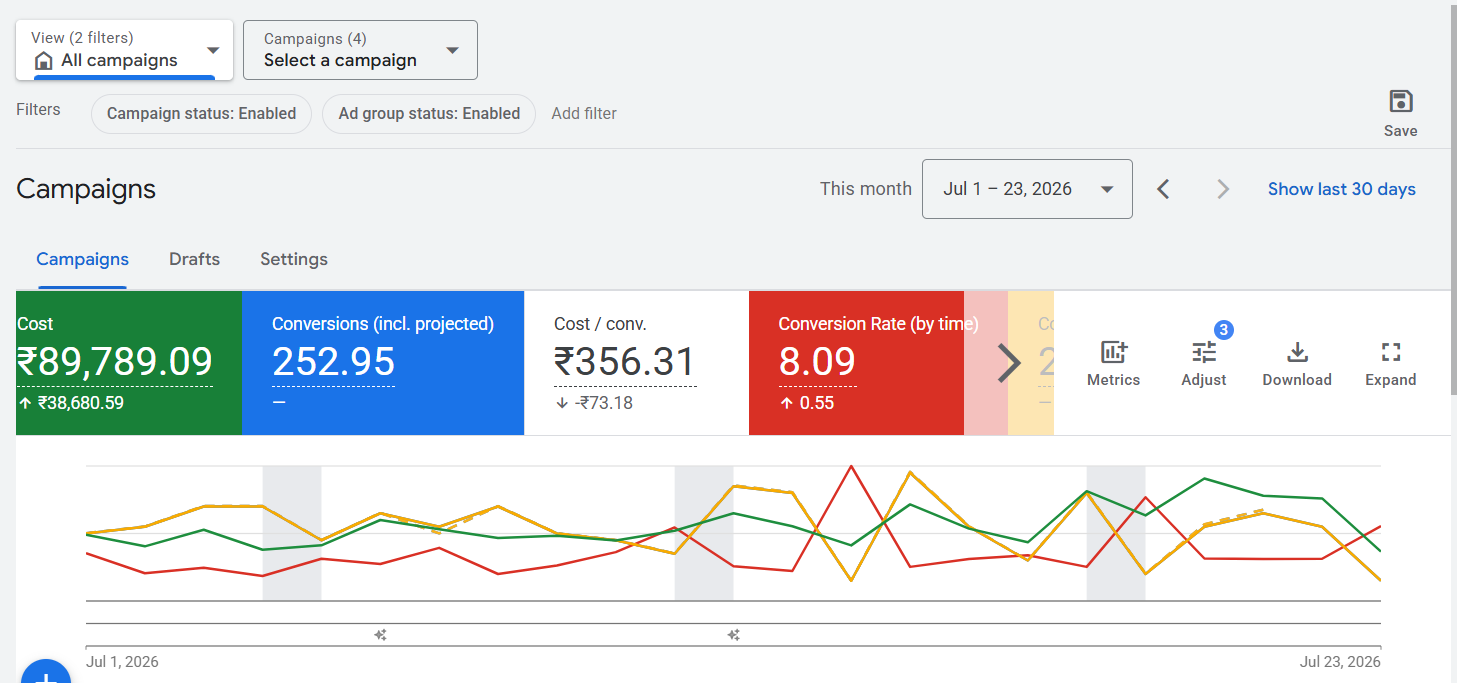
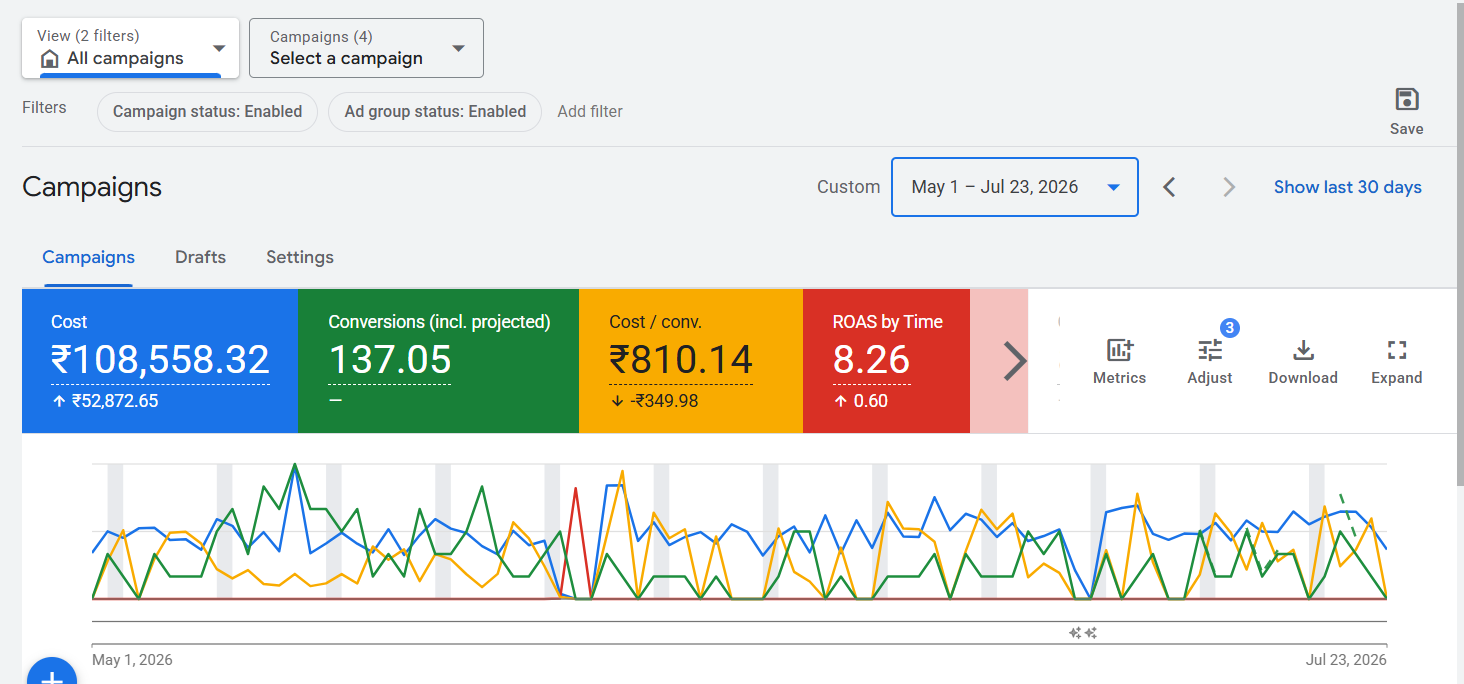
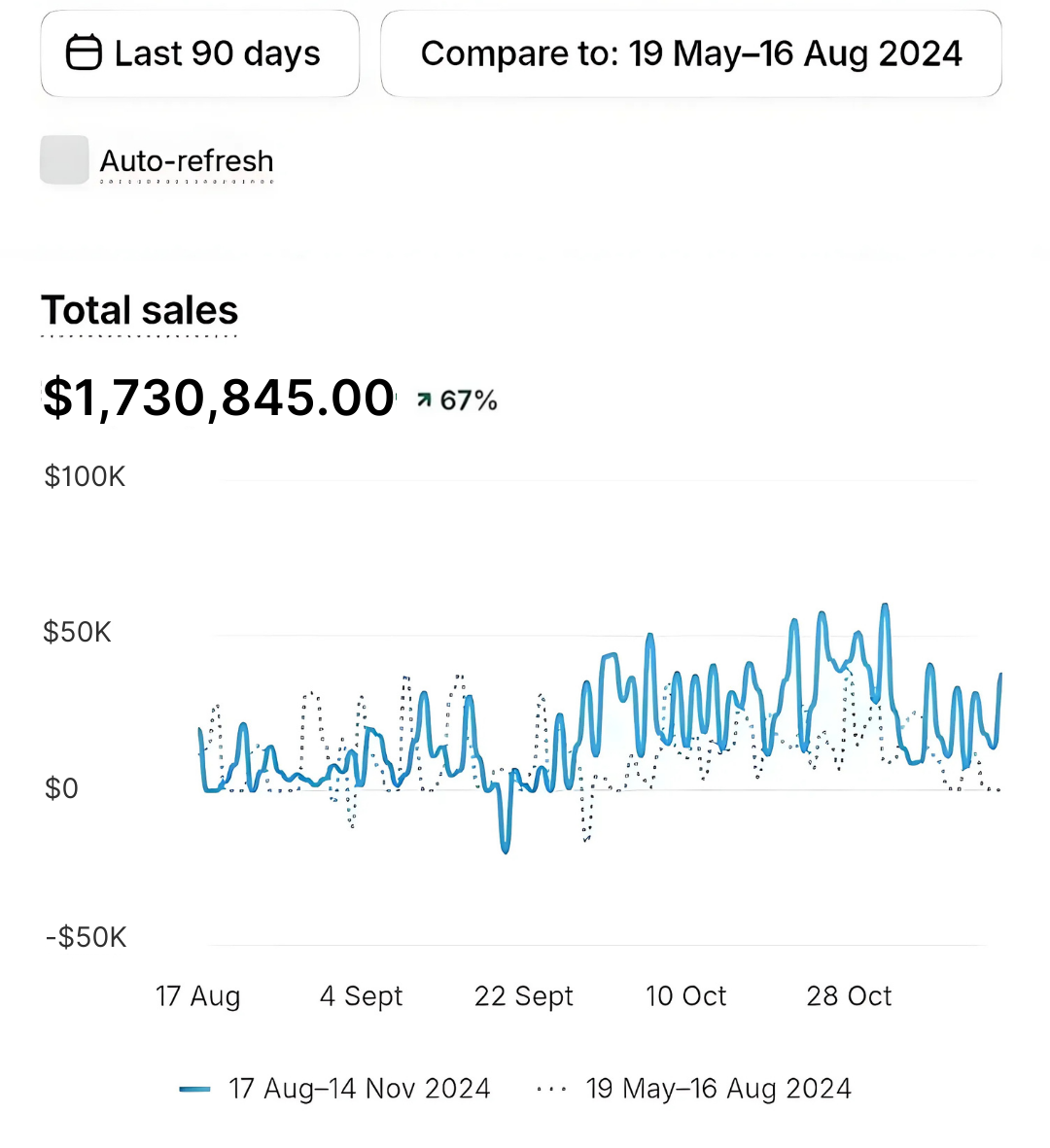
We build inside Google Ads, Merchant Center, GA4, GTM and revenue dashboards every week. The screenshots below are the kind of signals we want surfaced early: efficiency, scale, conversion volume and downstream store performance.
When the account is structured well, Google Ads stops being vague and starts being inspectable.
We care about what sits under the topline. That is where scale gets safer.
Useful for brands that want to see proof beyond one market or one reporting style.
Google Ads is only useful when the store or funnel feels the lift too.
Representative of the kind of account where search intent, structured segmentation and cleaner conversion feedback all compound together.
Useful proof for teams that want to see how performance behaves inside the actual campaign table, not only in polished dashboards.
A reminder that the real win is not the ad dashboard in isolation. It is what the business sees after the click.
A short reel makes the results easier to absorb. It gives prospects a faster way to feel the range of accounts, snapshots and growth signals behind the work.
These supporting proof cards show range: smaller-budget wins, larger revenue windows, and the downstream store performance that matters after the click.
Strong Google Ads partnerships usually come down to three things: clearer visibility, better accountability and stronger post-click conversion.
The account finally makes sense because spend, tracking and landing page issues sit in one operating view.
Best for founders who are tired of hearing that performance is fine while revenue quality says otherwise.
Performance Max stops behaving like a black box when the inputs, exclusions and offers are managed with intent.
Useful for brands that need help scaling without surrendering visibility.
Weekly reporting gets easier to trust when it explains what changed, what moved, and what we are testing next.
This is often the difference between "managed" ads and a real growth function.
We inspect campaign logic, search terms, feed structure, conversion actions, GA4 mapping and page friction before we recommend scale.
Search, Shopping, PMax and remarketing all get cleaner segmentation so performance has a stable architecture to build on.
Creative angles, offer framing, audience signals and landing page match are tuned together instead of in silos.
This is where wasted queries, noisy placements and weak funnel paths get removed so the account grows with less drag.
Each week ends with what moved, what failed, and what is going live next so momentum does not stall.
No mystery. No disappearing act after launch. Just a clear rhythm that keeps the account and the funnel moving.
We prefer flat retainers, scoped build work and optional performance structures. Percent-of-spend makes bad incentives. We avoid it.
Best when tracking, structure or feed quality needs a reset before scale.
For brands that want Google Ads, reporting and CRO thinking managed together every week.
For brands that also need creative testing, landing pages, deeper reporting or a performance-linked scope.
We can run Search-only scopes, but we are strongest when Search, Shopping, PMax, remarketing, reporting and CRO are treated as one connected growth system.
Yes. In many accounts that is the first thing we do. Scaling messy tracking just creates cleaner-looking confusion.
Yes. Shopping and Performance Max both get better when feed titles, labels, segmentation and product logic are handled seriously.
We focus on inputs: asset groups, product sets, exclusions, audience signals, creative quality and conversion integrity. That gives PMax direction instead of blind trust.
Yes. The principles stay the same: intent mapping, tracking quality, landing-page conversion and better budget allocation. We can also incorporate offline conversion feedback where available.
Yes. We bring CRO thinking into the account because better media buying without a stronger page usually tops out early.
Quick wins can go live in the first few days once access is in place. Larger structural changes usually begin inside the first one to two weeks.
Absolutely. We can own the whole channel, the measurement layer, a rebuild sprint, or simply become the operating partner your internal team leans on.
Book a 30-minute call. We will review structure, tracking, wasted spend, and the highest-leverage fixes we would make first, whether or not you hire us after.